
Owning a concrete pool is a dream for many Australian homeowners. With the country’s warm climate and outdoor lifestyle, a pool not only provides a refreshing escape during the summer months but also adds value and style to your property. Unlike fibreglass or vinyl pools, concrete pools offer ultimate customisation, durability, and longevity. However, building a concrete pool is a significant investment that requires careful planning and consideration. This guide walks you through everything you need to know about constructing a concrete pool in Australia—from design to maintenance.
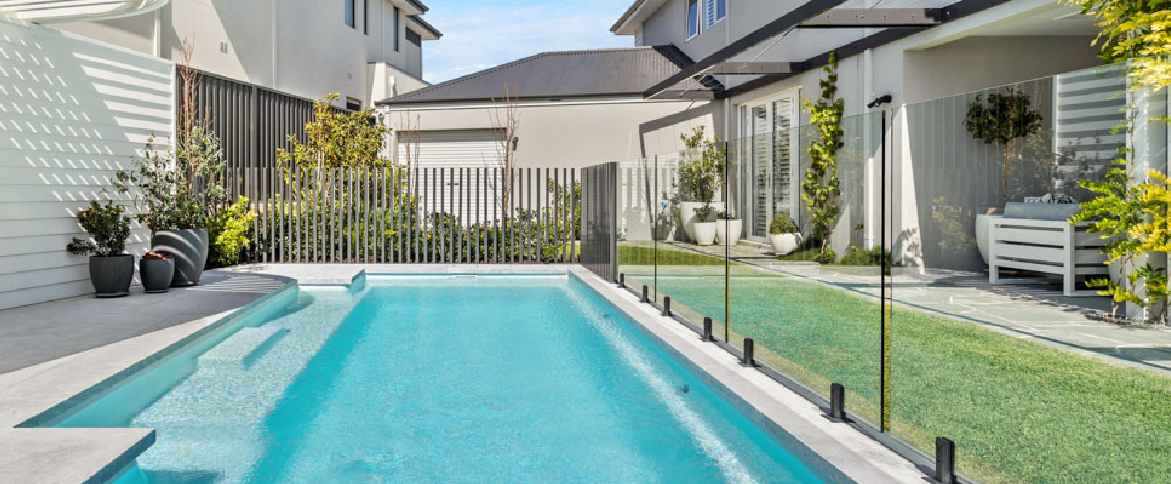
Concrete pools, also known as gunite or shotcrete pools, are constructed using a mixture of cement, sand, and water, which is sprayed or poured over a steel framework. This method allows for total flexibility in shape, depth, and design. Key benefits include:
While concrete pools are often more expensive and time-consuming to install compared to fibreglass pools, their flexibility and longevity make them a preferred choice for many Australian families.
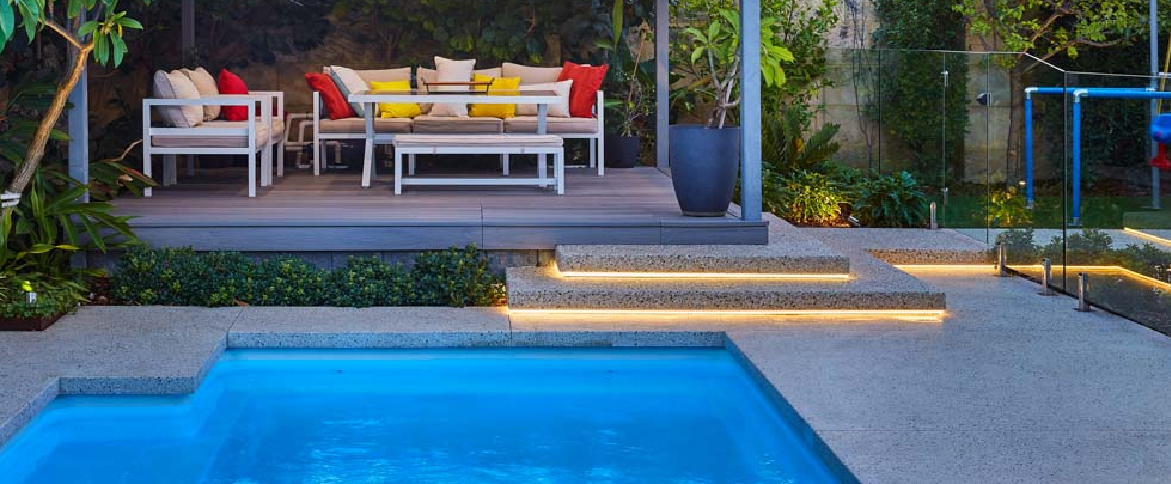
The first step in building a concrete pool is careful planning. This stage ensures the pool meets your needs, complies with local regulations, and stays within budget.
Consider how you plan to use your pool. Are you looking for a family-friendly design, a lap pool for exercise, or a luxury entertainment space? Factors such as depth, size, and additional features like spas or waterfalls should align with your lifestyle.
Concrete pools are typically more costly than fibreglass or vinyl alternatives due to customisation and labour-intensive construction. Include costs for excavation, construction, plumbing, filtration systems, pool finishes, and landscaping in your budget.
Select a site that maximises sunlight exposure, complements your backyard layout, and ensures safe access. Consider proximity to trees, underground utilities, and drainage requirements.
In Australia, local councils regulate pool installation. You’ll likely need permits for excavation, fencing, and safety compliance. Regulations vary by state, so consult your local council early in the planning process.
Concrete pools provide virtually unlimited design possibilities. When designing your pool, consider the following:
Working with a reputable pool designer or builder ensures that your pool design is not only visually appealing but also functional and safe.
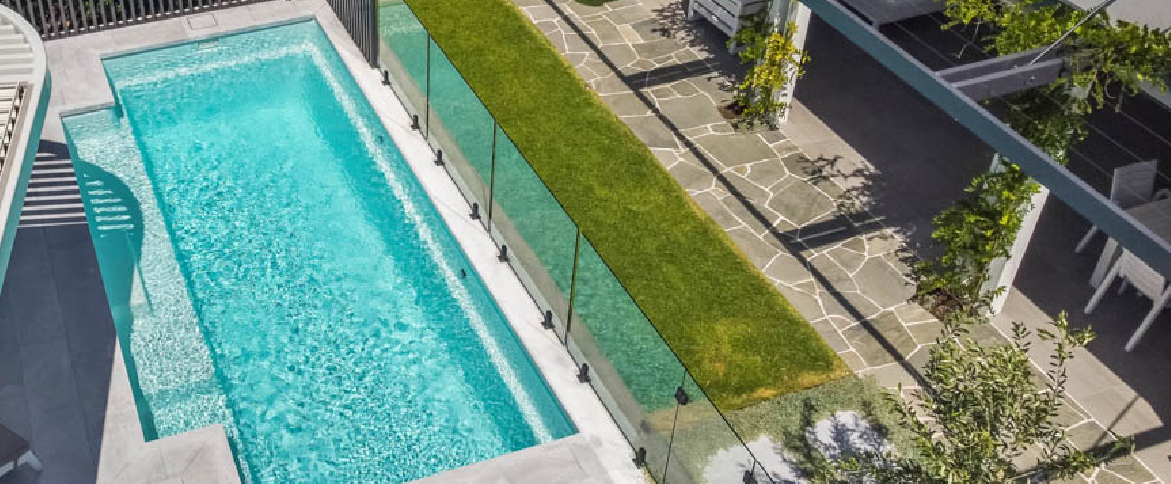
Building a concrete pool involves several stages, often taking 6–12 weeks depending on size, complexity, and weather conditions.

Concrete pools require ongoing maintenance to preserve their appearance and functionality. Regular upkeep ensures longevity and prevents costly repairs.
A well-maintained concrete pool can provide decades of enjoyment, making the investment worthwhile.
Consider energy-efficient pumps, variable-speed motors, and solar pool heating systems to reduce running costs.
Complying with Australian pool fencing regulations and installing safety features like pool covers and alarms is essential, particularly for households with children.
Thoughtful landscaping enhances the pool area, providing privacy, shade, and a seamless transition between indoor and outdoor spaces.
Engaging an experienced, licensed pool builder ensures compliance with regulations, quality construction, and professional project management.
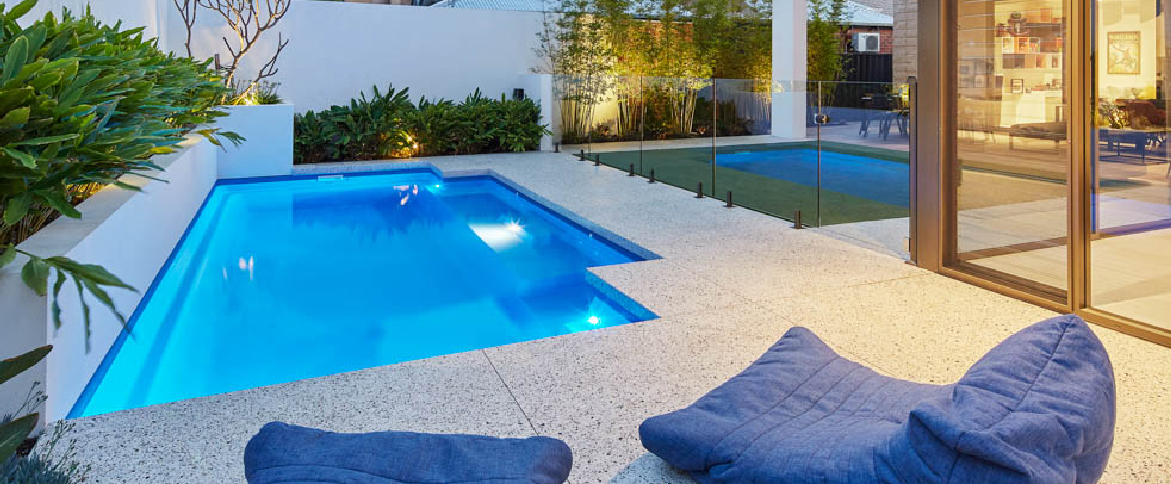
Building a concrete pool in Australia is a significant but rewarding investment. With careful planning, thoughtful design, and professional construction, a concrete pool provides unmatched customisation, durability, and long-term enjoyment. By understanding the construction process, costs, and maintenance requirements, homeowners can make informed decisions and create a backyard oasis that suits their lifestyle and enhances property value.
Whether you’re dreaming of a sleek lap pool, a freeform family pool, or a luxury entertainment area with integrated features, a concrete pool offers the flexibility and longevity to turn that vision into reality. With the right planning and care, your concrete pool can be a central feature of your home for decades to come.
